
Botulinum Toxin Type A Series – Part 1: Improving Dynamic Wrinkles

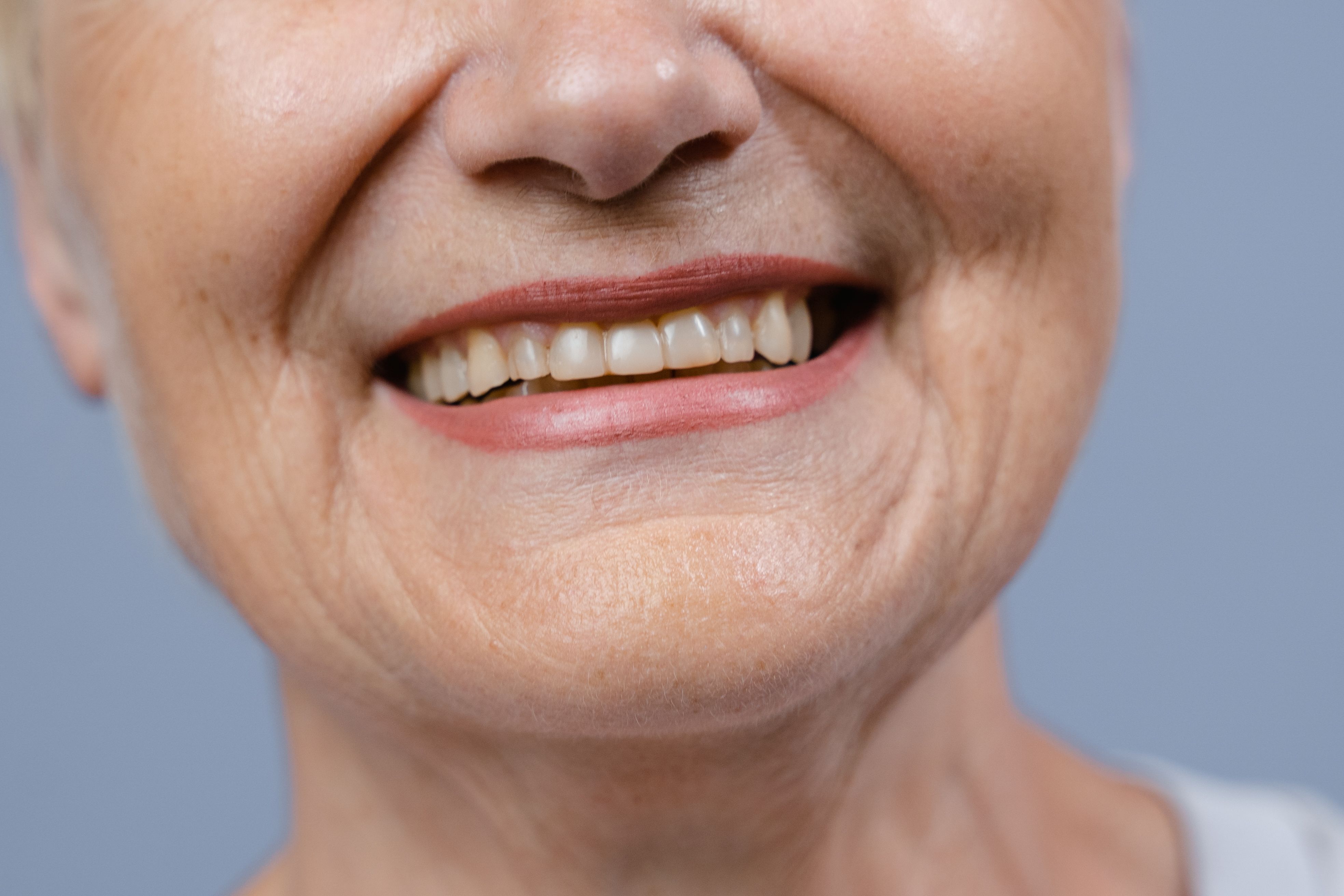
Botulinum Toxin Type A: More Than Just Wrinkle Reduction?
PART 1 | Improving Dynamic Wrinkles
Many people mistakenly believe that “Botox” is the same thing as botulinum toxin type A. In fact, BOTOX® is just one brand name. Common botulinum toxin type A products on the market include BOTOX® (onabotulinumtoxinA) and Dysport® (abobotulinumtoxinA) — each has a different formulation, and their doses cannot be directly compared. This series focuses on “botulinum toxin type A” as a whole, introducing its various aesthetic and medical applications, without specifying a particular brand in each article.
Did you think the main use of botulinum toxin type A was “wrinkle reduction”?
That’s right — improving dynamic wrinkles is indeed one of the most familiar and most commonly encountered aesthetic applications of botulinum toxin type A.
But did you know —
The applications of botulinum toxin type A go far beyond improving wrinkles.
In addition to aesthetic uses, botulinum toxin can also be applied in various medical settings.
Before exploring the other applications of botulinum toxin type A, let’s start with the most common one: Aesthetic uses.

What Are Dynamic Wrinkles?
Every day we smile, frown, raise our eyebrows, and squint.
Every facial expression is accompanied by the contraction of facial muscles. When we are young, the skin usually has good elasticity and resilience; however, with aging — combined with years of repeated facial muscle activity — some expression lines can gradually become more noticeable.
Wrinkles formed primarily by repeated facial muscle activity are called dynamic wrinkles.
And this is one of the areas where botulinum toxin type A can play a role.
How Does Botulinum Toxin Type A Improve Dynamic Wrinkles?
Simply put, botulinum toxin type A can temporarily reduce the signals transmitted from nerves to specific muscles, thereby decreasing the contraction of those muscles.
When the activity of specific muscles decreases, the dynamic wrinkles formed by facial expressions may become less noticeable.
It is important to emphasize that the goal of botulinum toxin type A treatment is not to completely restrict facial movement.
Through precise injection placement and appropriate dosing, treatment can target specific muscle activity, helping to soften the expression lines of concern while preserving a natural facial expression as much as possible.
3 Common Treatment Areas for Dynamic Wrinkles
1. Forehead Lines
The horizontal forehead lines that appear when raising the eyebrows are among the most common dynamic wrinkles.
Appropriate treatment of the related muscles can help soften the appearance of forehead lines, leaving the skin looking smoother.
2. Frown Lines
The “11” lines between the eyebrows usually become more noticeable when frowning or concentrating.
Over time, these lines can become more deeply etched, making the face look more serious or tired.
Appropriately reducing the activity of the related muscles can help improve the appearance of frown lines, leaving the overall facial expression looking softer.
3. Crow’s Feet
When we smile or squint, fine radiating lines often appear at the outer corners of the eyes — these are the common crow’s feet.
Precise treatment of the related muscles can help reduce the visibility of dynamic crow’s feet while preserving a natural smile and facial expression.

Will Botulinum Toxin Type A Treatment Make Facial Expressions Look Stiff?
This is one of the most common questions people have about botulinum toxin type A.
The ideal botulinum toxin type A treatment does not aim for a face with no expression; instead, it appropriately adjusts specific, overactive muscles.
Treatment planning needs to consider:
Muscle activity + facial proportions + injection placement + dose
Through a personalized treatment plan, dynamic wrinkles can be improved while preserving a natural facial expression as much as possible.
The key point of botulinum toxin type A is therefore not “making the face completely immobile,” but achieving a natural and harmonious aesthetic result through appropriate muscle modulation.

Botulinum Toxin Type A: More Than Aesthetics?
If you’ve read this far, you may have realized:
The fundamental principle of botulinum toxin type A is to work by temporarily reducing the activity of specific muscles.
In addition to aesthetic treatment, this property gives botulinum toxin other medical applications.
For example:
💦 Hyperhidrosis management
🤕 Chronic migraine–related treatment
😬 Treatment of teeth-grinding and bite-related concerns
💪 Certain muscle overactivity– and spasticity–related conditions
These applications differ from aesthetic treatment in their purpose and assessment, and need to be evaluated by qualified medical professionals based on individual circumstances.
The 7 Applications of Botulinum Toxin Type A
The above is just the first of the 7 applications in this series:
① Improving Dynamic Wrinkles | AESTHETIC
The applications of botulinum toxin type A are not limited to dynamic wrinkles.
In the next issue, we will continue with another common aesthetic application: Facial Contour Refinement | AESTHETIC
Besides improving dynamic wrinkles, how else can botulinum toxin type A help refine the lower facial contour by targeting specific facial muscles?
Want to Know If Botulinum Toxin Type A Is Right for You?
Everyone is different. The right treatment plan depends on your treatment goals, treatment area... At Genesis Health Clinic, we can professionally assess your skin concerns. Contact a professional consultation today to learn more about Botulinum Toxin Type A and whether it is suitable for your skin.
More articles like this
Articles related to your interests, offering more insights and the latest information on medical aesthetics, wellness, and skincare.
Never miss a wellness tip!
Get new articles, clinic updates, and healthy living tips straight to your inbox.